Australia H5N1 detection
25 June 2026
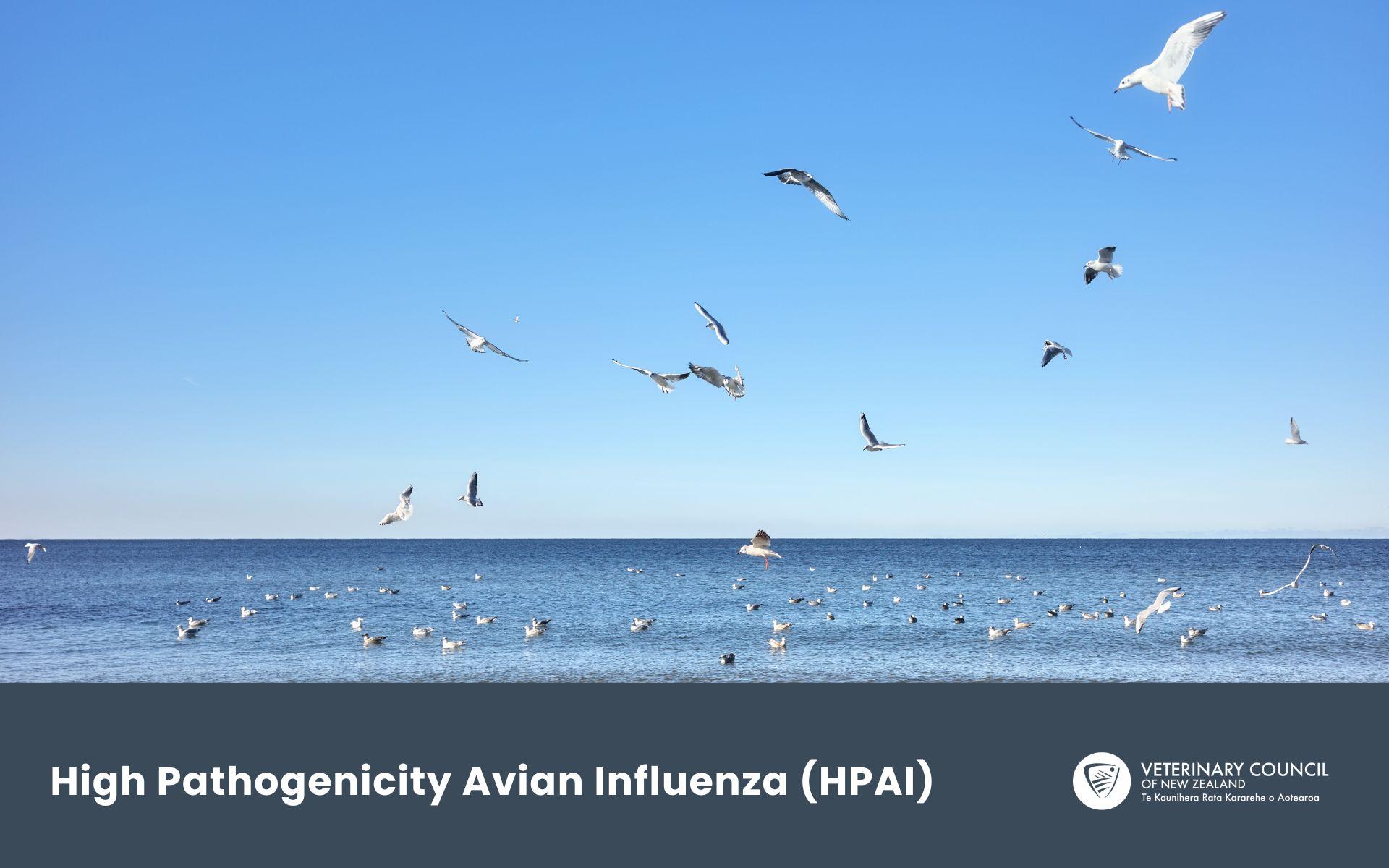
Biosecurity Minister Andrew Hoggard issued a press
release over the weekend about New Zealand’s preparedness to respond to
bird flu, following its detection in Australia.
High Pathogenicity Avian Influenza (HPAI)
is a serious disease affecting birds, with high mortality rates and significant
biosecurity implications.
Australian authorities confirmed the discovery of the H5N1
2.3.4.4b strain of HPAI in a migratory seabird found in Western Australia. This
strain has caused large numbers of deaths in wild birds, poultry, and some
mammals overseas.
The Ministry for Primary Industries (MPI) is monitoring the
situation closely and is in contact with Australian authorities. Strong
biosecurity and early detection measures will be key to managing any impacts.
This is a timely reminder that it takes all of us to be prepared
for the arrival of unpredictable viruses. If HPAI does arrive
in New Zealand, there will be no food safety risk and the risk to human health
is assessed as low. There are also strict existing measures in place to prevent HPAI
from entering the country through imported poultry or egg products.
However, if it becomes widespread in the wild bird population,
it cannot be eradicated from wild birds and they cannot be prevented from
continuing to spread the virus.
MPI has a range of resources on its website about HPAI, and how different
people and groups can prepare in case it arrives here. These include:
The Vet Council has also worked with MPI to publish guidance
for veterinarians managing sick or dead wild birds presented to them by members of the public.
One of the most noticeable signs of bird flu is the swift death
of multiple birds in a group. If you see three or more sick or dead wild birds
in a group, report it immediately to the exotic pest and disease hotline on
0800 80 99 66.
More information about H5N1 bird flu and the work New Zealand is
doing to prepare for it is available at mpi.govt.nz/HPAI